
Les Contes D’Hoffmann – From The Musical Aspect
Research biographical information on the composer, Jacques Offenbach, and the creation of this opera. What was his musical style; did it change over time?
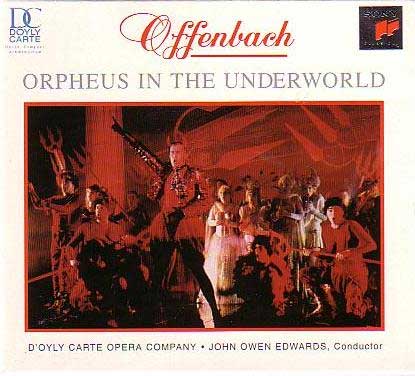
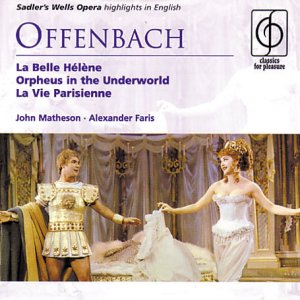
Jacques Offenbach was a German-born French composer, a cellist, and one of the pioneers of the operetta form. The Tales of Hoffman was his only grand opera, with a more serious and ambitious tone to it, as opposed to most of his other works, which are operettas, or “light operas.” He composed many operettas, which gained popularity in the English speaking countries during the mid 1800’s. His operettas, such as Orpheus in the Underworld and La belle Hélène, were characterized by wittiness and political satire, as well as parodies of grand operas. Having gained excessive popularity with his operettas, he hoped to become a master of serious opera as well. He was thus determined to compose a grand opera, which he called Les Contes d’Hoffmann, or The Tales of Hoffman. Unfortunately, however, he didn’t live long enough to see it gain immediate popularity and eventually rise as one of the most renowned operas. Offenbach’s later works are mostly patriotic in nature, expressing his loyalty and allegiance towards his adopted country, France.

Jacques Offenbach (1819-1880)
What was his importance as a composer or musician? What is his legacy and what were his particular accomplishments?
Offenbach was one of the most important pioneers of the operetta form. Operettas are commonly known as light operas, in which oftentimes the libretto is spoken rather than sung. They are generally shorter in length than most conventional grand operas, and lighthearted in nature. Offenbach’s operettas in particular, were mostly satirical works, which poked fun at the political and social picture in Paris. His works show delicately developed characterization and an extensive use of mythological subjects. Some of his operettas such as Orpheus in the Underworld and La belle Hélène gained extreme popularity during the mid 1800’s. As a young man, he was a successful cellist as well, often performing with some of the most prominent pianists, such as Mendelssohn, Liszt, and Rubinstein.
What are the precedents for the music in this particular opera? What is the structure and style of this opera, its famous arias and other musical sections or “numbers”?
The opera, composed of three acts, along with prologue and epilogue, boasts many famous arias. Much of Offenbach’s music in the Tales of Hoffmann is fast paced and lightweight, and almost has a comical sense. Especially Olympia’s aria Les oiseaux dans la charmille, or better known as “The Doll Song,” has an extremely high pitched, fun, and tuneful melody that emits almost a chirping-like quality. Some of the other arias of the opera are somewhat of a romantic and melancholic quality; for example, in Act 3, Antonia sings a sorrowful melody about love.

Opera singer Katherine Kim singing the Doll Song
What the musical source for the famous “barcarolle”? Where does it come in the opera and why?
Barcarolle was originally a melody sung by Venetian gondoliers. It is a term used for boat songs. Offenbach did not originally write the barcarolle for the Tales of Hoffmann; he began composing it as the “Elves Song” for another of his opera, but when he died without finishing Les Contes D’Hoffmann, his friend premiered the song along with the opera. In the performance that we watched, the song comes in during the third act in a rather erotic scene where the flow is at its most climactic point.

Barcarolle was originally sung as a boat song
What are some adjectives that could be used to describe his musical style?
Some adjectives that could be used to describe Offenbach’s musical style would be light-hearted, upbeat, tuneful, romantic, diverse, solemn, dramatic, and grotesque.
Talk about musical instruments used as well as the use of the voice.
A diverse range of musical instruments was heard. There seemed to be an even balance between the strings and woodwind instruments. The orchestral background music flew in perfect harmony with the voices, with the instrumental music supporting the voices just enough to add to the eclectic feelings the voice conveys.
Why do you think Offenbach was drawn to the Hoffmann stories? Where did he become familiar with them?
I think Offenbach was drawn to Hoffmann’s short stories because of their romantic quality as well as their vague connection to psychological works of man. All three of the Hoffmann stories employed in the opera generate somewhat of a manic quality, in spite of the cheerfulness of some parts.
What was his relationship to the librettists? How did they work together?
He maintained a close relationship with the librettists. They formed a team and worked together to create pieces that had both intense musical ideas and drama aspects. It is quoted that he considered them almost as his own sons.
How does the feeling evoked in the Hoffmann stories change through the music?
The music in the opera is a fairly good indicator of the mood of a particular scene. It succeeds in generating new feelings, other than those already evoked by the acts. In Act 1, or “the Olympia act,” the general mood of the entire segment was relatively fun, and Olympia’s aria is relevantly upbeat and high-pitched. On the other hand, the second act was characterized by a more serious and melancholic atmosphere, although there was a fun piece sung by the servant in the beginning. Accordingly, the aria evoked a rather somber and gloomy feeling.
This entry was posted on Wednesday, November 3rd, 2010 at 1:38 AM and is filed under Assignments. You can follow any responses to this entry through the RSS 2.0 feed. You can leave a response, or trackback from your own site.
9:37 AM on July 5th, 2012
Hey! Would you mind if I share your blog with my facebook group? There’s a lot of folks that I think would really appreciate your content. Please let me know. Thanks
12:08 PM on July 5th, 2012
Hi! No I dont mind, go right ahead. Glad you found it useful!